ClearE8: Advanced Oxidation Process (AOP) Technology for Clean Water in the Food & Beverage Industry
Water Challenges in the Food & Beverage Industry
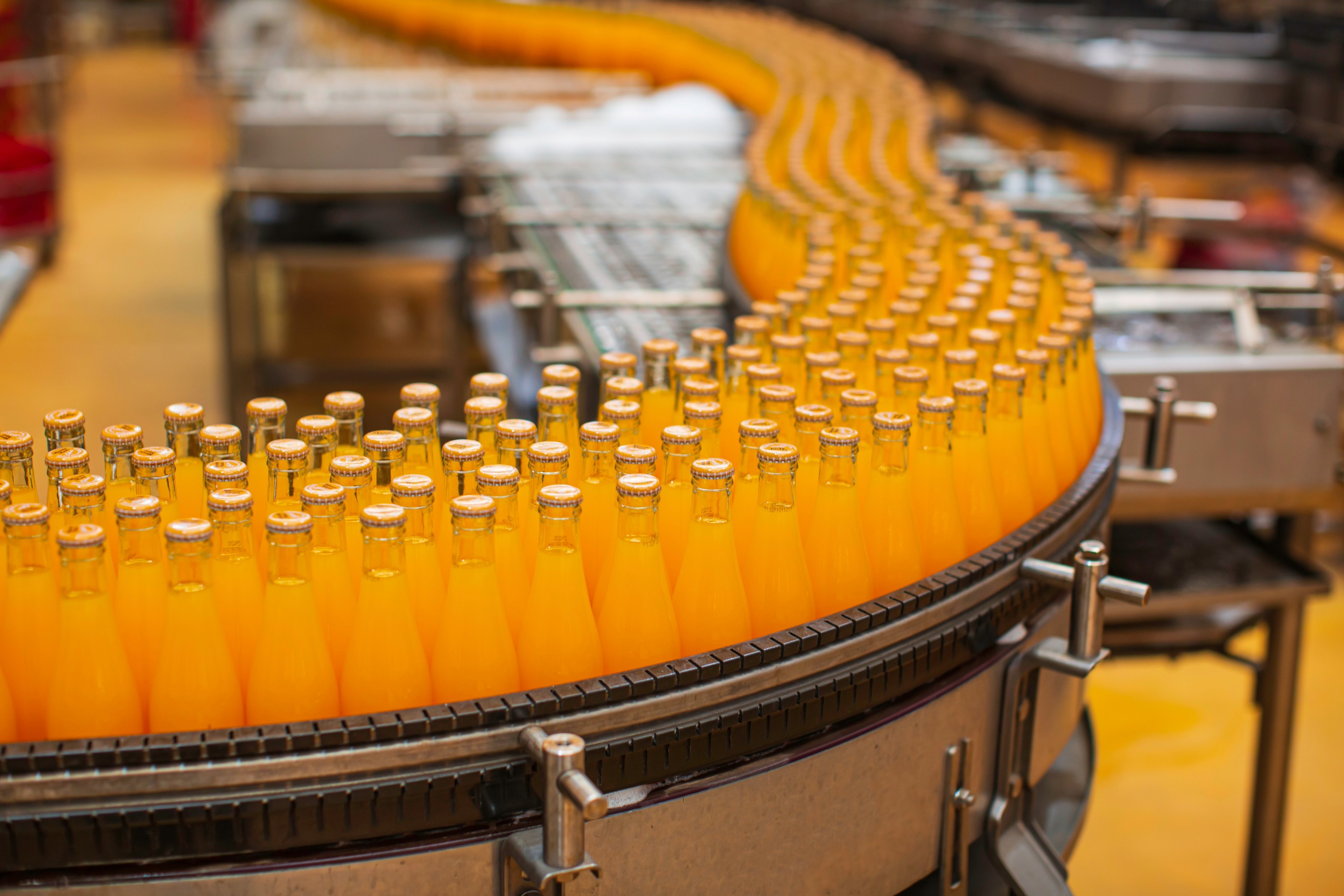
The global food and beverage industry is one of the largest consumers of freshwater, placing immense strain on already limited water resources. It takes nearly 5,000 liters of water to produce a single hamburger, while coffee, dairy, and other everyday food products require thousands of liters during processing [1], [2]. Collectively, the industry accounts for approximately 70% of global freshwater use, intensifying the need for healthy, clean water solutions that support both production and sustainability [3].
In addition to high water consumption, food and beverage facilities generate vast volumes of nutrient-rich and chemically complex wastewater. This wastewater commonly contains proteins, sugars, suspended solids, fats, oils, and grease, which are difficult to remove using conventional treatment systems [4]. When contaminants are not fully eliminated, facilities face regulatory violations, costly fines, and reputational risk [5]. On a global scale, untreated or poorly treated wastewater contributes to pollution, ecosystem degradation, and water scarcity, making advanced treatment solutions essential for long-term industry viability [6].
Clean Water Solutions Powered by Advanced Oxidation Process (AOP) Technology
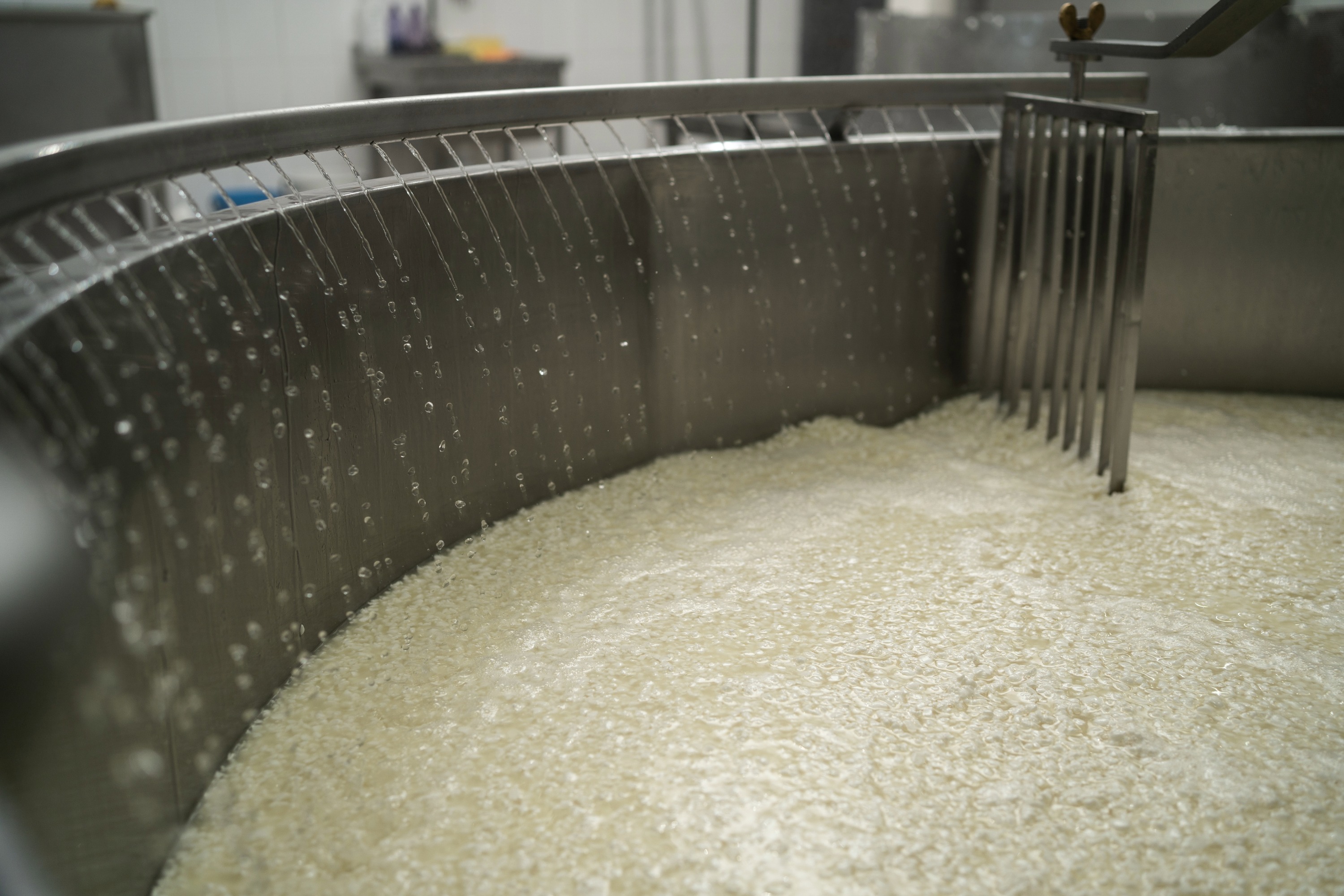
ClearE8 systems are engineered to generate healthy, clean water using proven Advanced Oxidation Process (AOP) technology. At the core of the system is ozone delivered through nanobubble technology, which dramatically increases oxidation efficiency. These ozone nanobubbles actively destroy pathogens including bacteria, viruses, molds, and other toxins commonly found in food and beverage process water.
Unlike chemical-heavy treatment methods, ClearE8’s Advanced Oxidation Process (AOP) technology mimics natural purification processes. As contaminants are oxidized, they are broken down into basic, naturally occurring molecules such as oxygen (O₂), water (H₂O), carbon dioxide (CO₂), and nitrogen (N₂). The process also increases dissolved oxygen levels, leaving water biologically stable, safe, and truly healthy, clean water suitable for food and beverage production environments.
Operational Benefits of Healthy, Clean Water in the Food and Beverage Industry
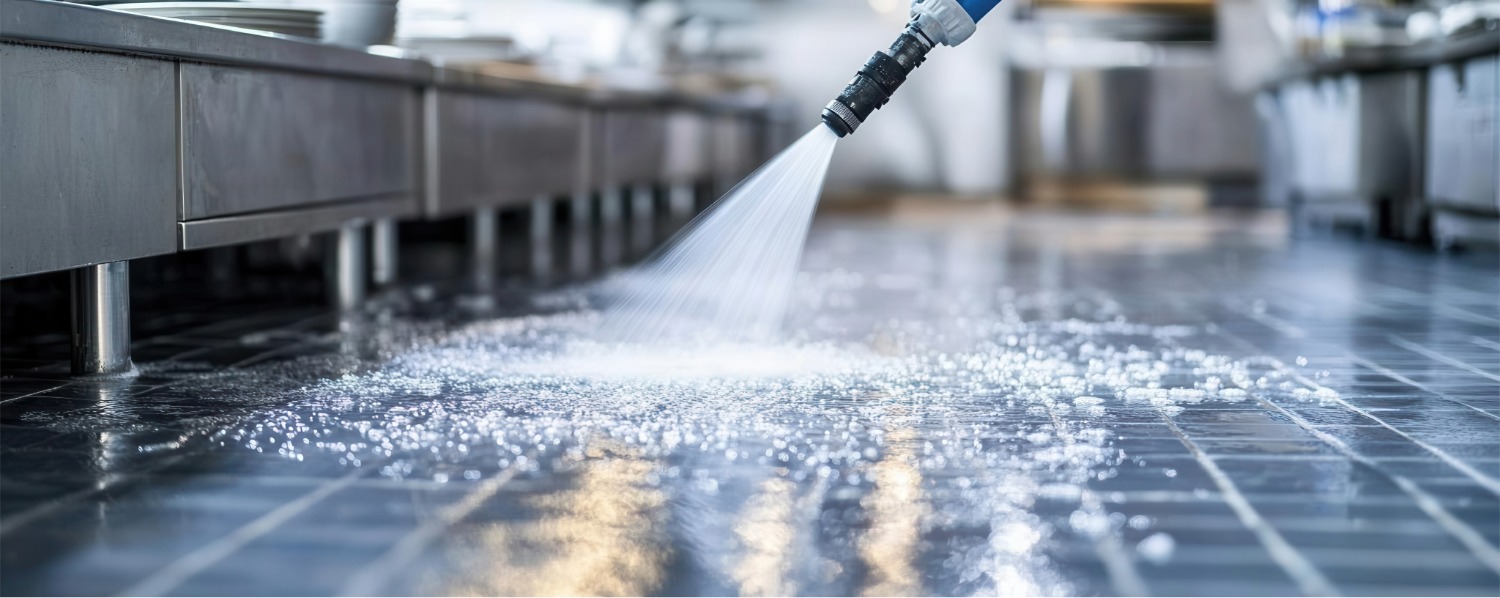
For food and beverage manufacturers, access to healthy clean water directly impacts product quality, safety, and compliance. ClearE8 systems improve water clarity, taste, and odor while significantly reducing fats, oils and grease that interfere with downstream processing and wastewater treatment systems. By eliminating pathogens and organic contaminants, facilities can reduce downtime, improve sanitation outcomes, and enhance overall operational efficiency.
As environmental regulations are becoming increasingly strict, ClearE8’s Advanced Oxidation Process (AOP) technology can help meet compliance requirements, and also can work well in conjunction with other technologies (such as reverse-osmosis), making them more effective and efficient (e.g. less filter/cell replacement due to more efficient filtration). By reliably treating complex wastewater streams, manufacturers can lower the risk of discharge violations while protecting surrounding ecosystems and water sources.
Water Reuse and Sustainability Through Advanced Oxidation
ClearE8 systems enable food and beverage facilities to move beyond single-use water models by supporting water recycling and reuse. Post-treatment of contaminated process water allows it to be safely returned to the environment or reused within the facility, significantly reducing freshwater demand and wastewater disposal costs. This closed-loop approach aligns sustainability goals with measurable cost savings while ensuring a consistent supply of healthy, clean water.
The underlying Advanced Oxidation Process (AOP) technology is based on oxidation—the same natural mechanism Earth uses to cleanse water systems. Highly reactive oxidants generated by ozone break down complex organics, solubilize Fats, oils and grease, and neutralize chemical residues. The result is improved water quality, enhanced color, better taste, and reduced odor, all achieved without introducing harmful residual chemicals.